01
UNDERSTAND THE CONTEXT
Begin with the real demands, expectations and conditions. Avoid assuming a skills workshop can fix a structural problem.
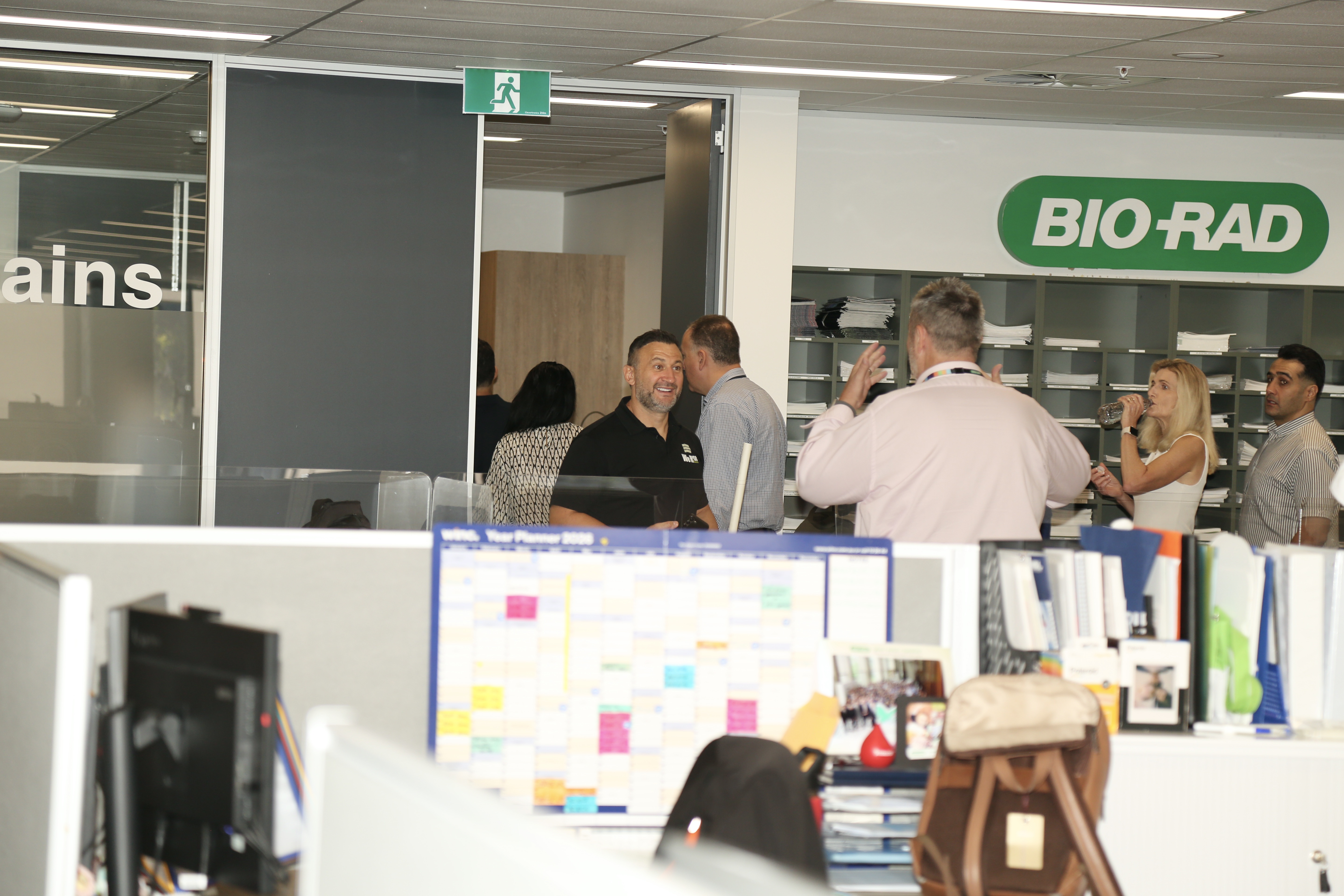
WERISE / FLAGSHIP TEAM CAPABILITY
A practical, personally led capability engagement for teams and leaders navigating sustained demand, complexity and change. Built around the real conditions of your work, not a generic resilience checklist.
THE CHALLENGE
Good people can struggle when priorities compete, attention is fragmented, recovery disappears or expectations are unclear. WeRise works with both the human response to pressure and the conditions shaping it.
A POTENTIAL FIT FOR
This is education and facilitated capability work, not therapy, clinical treatment or a formal psychosocial risk assessment.
THE APPROACH
01
Begin with the real demands, expectations and conditions. Avoid assuming a skills workshop can fix a structural problem.
02
Select the ideas and practical exercises that fit the group. The Six Cs and RISE are tools, not a rigid script.
03
Use relatable situations, reflection and conversation to translate concepts into decisions people can make.
04
Agree useful next actions and, where appropriate, a follow-on session or learning pathway rather than treating the event as a complete solution.
HOW AN ENGAGEMENT RUNS
A briefing conversation with the sponsor about the team, the demands they carry and what has changed. Optionally, people can take the free Workplace or Personal Check beforehand to bring their own picture into the room.
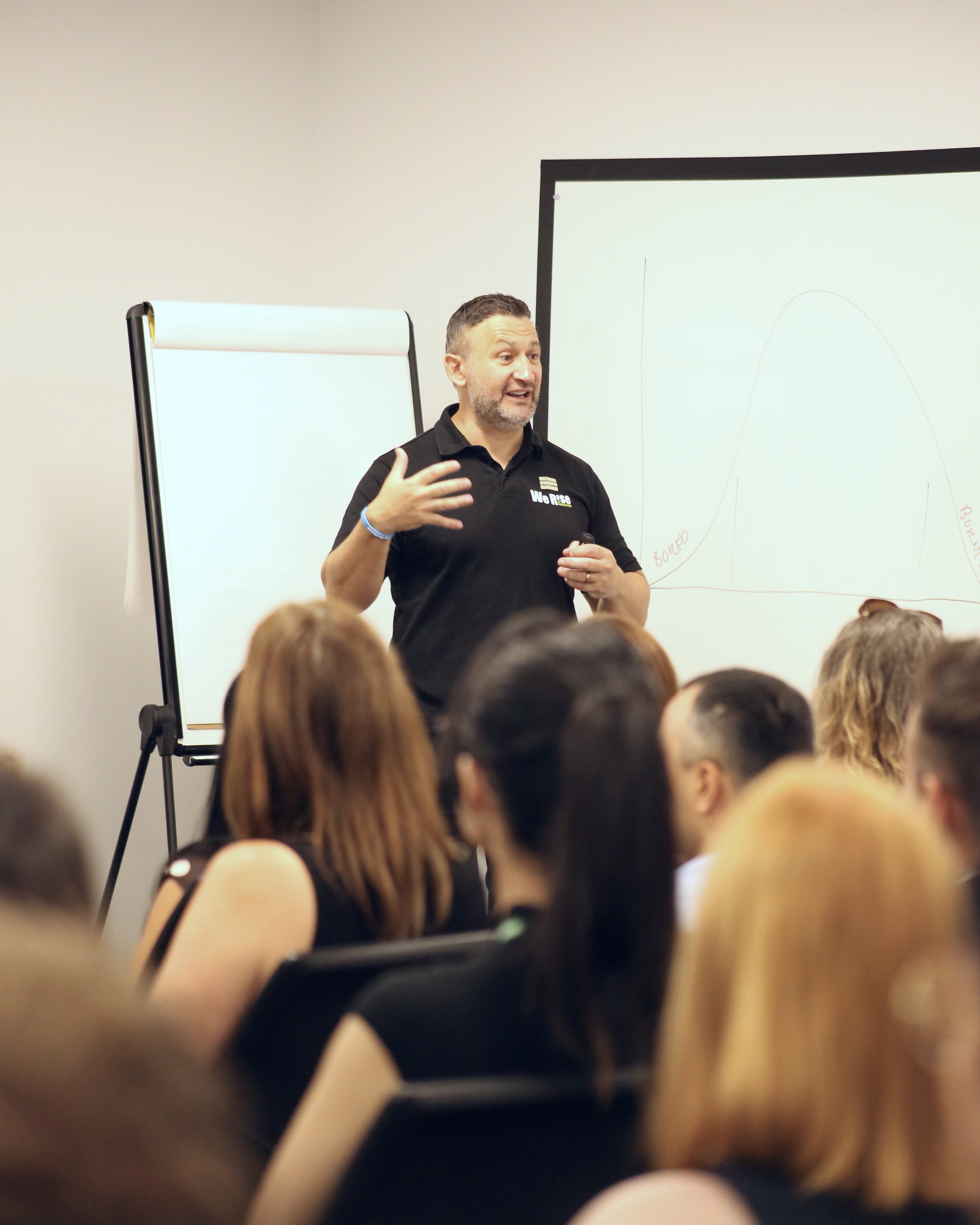
Justin facilitates the session: the biology of pressure, the Optimal Zone, the Six Cs and RISE, applied to the team's real situations through discussion and practical exercises.
The team leaves with agreed next actions and shared language. The sponsor and WeRise review what was raised and decide together whether a follow-up session would help.
WHAT'S IN THE TOOLKIT
The Six Cs — Connect, Control, Condition, Challenge, Choose and Commit — offer a shared vocabulary. RISE supports deliberate action: Reconnaissance, Intent, Strategy and Execution. We use these when they serve the people and context, not as a claim of clinical validation.
CHOOSING THE RIGHT FORMAT
A short facilitated session around one recognisable pressure point, with practical reflection and a next action.
A half-day or full-day conversation with more room to explore context, rehearse responses and make decisions together.
A sequence of sessions for teams that need sustained application, reflection and follow-through. Scope is agreed against actual needs.
FREQUENT QUESTIONS
No. We start with the brief, identify the pressure point and choose relevant material from the existing WeRise approach.
Yes. A keynote can introduce shared language, with a separate workshop giving people more time to practise and apply it.
No. Pressure Intelligence can support discovery where appropriate, but it is not a requirement for a conversation or engagement.
Discuss the audience, location and delivery format in the initial brief. Travel and delivery arrangements are confirmed in the proposal.
It is designed for a working team or leadership group rather than a large audience. For a conference-sized room, a keynote is usually the better fit; group size is confirmed in the brief.
Get in touch as soon as you have a likely date or quarter. Availability is confirmed when the proposal is agreed.
Each engagement is quoted after the briefing conversation, based on format, duration, group size and location. There is no off-the-shelf package price.
We can agree a practical follow-up, a further facilitated session or an extended engagement if it genuinely fits the team.
FORMAT / SCOPE / INVESTMENT
A focused workshop, a sequence of sessions or a broader capability engagement may each be appropriate. Duration, participants, delivery mode, preparation and investment are scoped together after understanding the need. No fictional fixed price or guaranteed performance uplift.